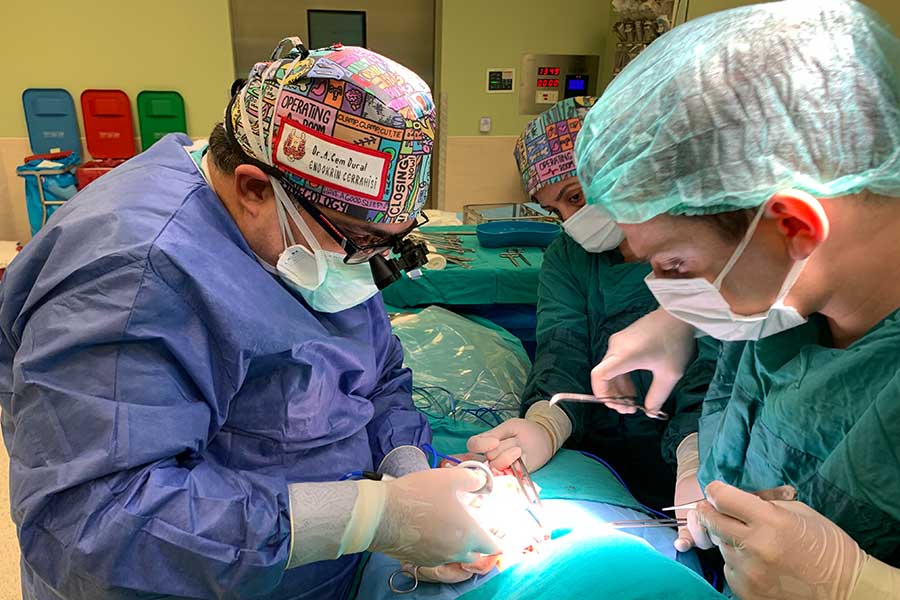
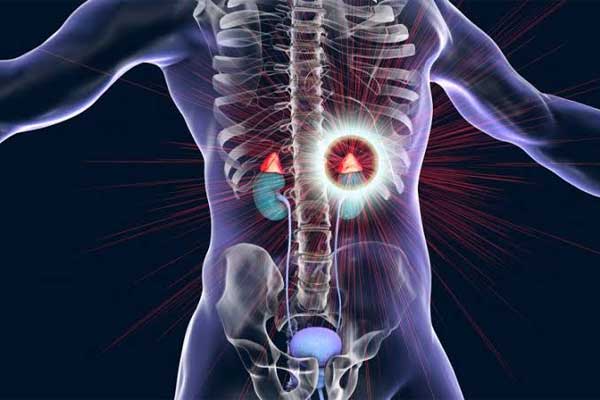
Neuroendocrine cells are specialized cells that can be found in different organs in the body, showing mixed characteristics with nerve cells and hormone-producing cells. Cancers originating from neuroendocrine cells are extremely rare and might occur anywhere in the body. They are mostly seen in the lungs, digestive system and pancreas. General surgery and endocrine surgery are responsible for the surgical treatment of gastroenteropancreatic neuroendocrine tumors (GEP-NET). Diagnosis and treatment of these rare tumors should be managed by a multidisciplinary team.
There are many types of neuroendocrine tumors. They are classified as functional and non-functional according to whether they produce hormones or not. They are usually named according to the region they arise in and the type of hormone they produce. They are staged according to their growth rate.
They may not show signs and symptoms in the early period, sometimes the first symptoms appear after distant organ metastasis. Non-functional NETs are usually larger. If NETs located in the duodenum and pancreas are functional, they can lead rapid and severe clinical worsening.
Diagnosis and treatment in neuroendocrine tumors; It varies depending on the type of tumor, its location, whether it produces hormones, whether it is aggressive and whether it has distant metastasis. With medical, oncological, nuclear medicine and surgical treatment options and their combinations, the treatment is tailored for the patient. Surgical treatment is similarly planned according to the organ from which the tumor originates and the location of the tumor. Surgical treatment is a wide spectrum ranging from minimally invasive or small-scale surgeries to very large-scale radical surgeries. The chance of cure, removal of the entire tumor tissue, benefits, risks, and complications of the surgical procedure should be discussed with the patient in detail with other non-surgical treatment methods as well as combined approach options.