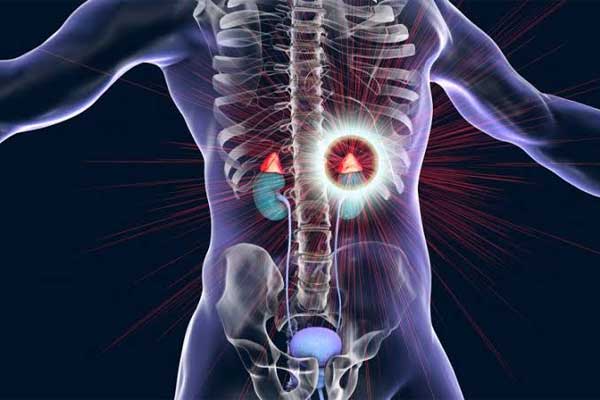
Parathyroid glands are red lentil-sized structures adjacent to the thyroid gland in the neck and are usually there are 4 in number. Its main task is to regulate the calcium level in the blood and is responsible for the synthesis of Parathormone (PTH). Bone metabolism, cardiovascular system and kidneys are affected most in the dysfunction of these glands. Diseases are in 4 main titles:
- Primary Hyperparathyroidism
- Secondary Hyperparathyroidism
- Tertiary Hyperparathyroidism
- Parathyroid Cancer
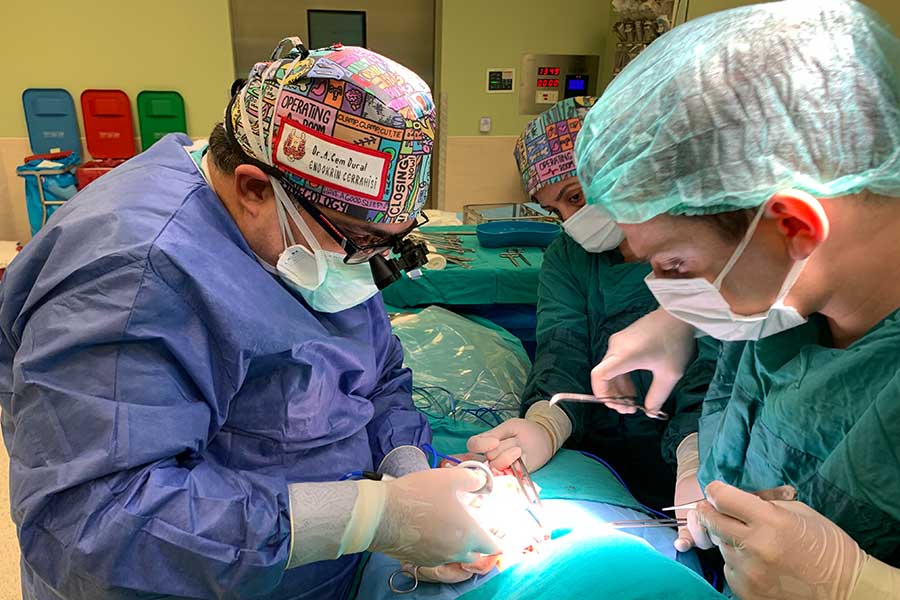
Primary hyperparathyroidism is a disease that develops when one, more or all of these glands overfunction than normal. It is characterized by an increase in the level of calcium and PTH in the blood, and an increase in the excretion of calcium in the urine. Clinical evaluation and surgical decision for primary hyperparathyroidism should be multidisciplinary. Locating the overfunctioning gland(s) for surgical planning allows surgery to be performed with minimally invasive (small incision or scar-free) methods.
Secondary Hyperparathyroidism is a disease when the parathyroid glands are stimulated to keep the blood calcium level within normal limits in cases such as kidney failure, vitamin D deficiency, and their growth and secretion of excess hormones. Although surgery is less frequently required due to the new treatments used during dialysis; surgical removal of the parathyroid glands is the most effective treatment when complications develop and in advanced disease. Usually, 3.5 of the 4 glands are removed, the remaining half gland is either left in place or cut into small pieces and planted on the forearm.
Tertiary hyperparathyroidism, on the other hand, is a form of disease that is usually seen after kidney transplantation, and when the stimulus causing secondary hyperparathyroidism disappears, the enlarged parathyroid gland continue to keep its autonomous hyperfunction. It is treated like secondary hyperparathyroidism, but the most enlarged one must be removed along with the 3.5 glands.
Parathyroid Cancer is a very rare disease, although its incidence is low, since it is an extremely aggressive cancer, it should definitely be considered in the preliminary diagnosis and evaluation should be made accordingly. In the presence of very high PTH values, the diagnosis can be made by suspecting in rapidly developing neck mass and imaging studies. Along with the parathyroid gland, the thyroid lobe on the same side and the lymph nodes in that area should be removed.
The success rate of surgeries performed for parathyroid gland diseases, which are generally rare, increases when they are performed in health institutions that are accepted as the reference center for Endocrine Surgery and where surgeries for the parathyroid gland are performed in large numbers.